Creating Opportunities through Education and Health
Afghanistan remains one of the world’s least developed countries. Over two-thirds of the country is under the age of 18, highlighting the urgent need to invest in the next generation, whose education has the power to shape a brighter future for the country.
Around 8 out of 10 Afghans live in underserved rural areas, while 8 out of 10 of girls (approximately 2.5 million) remain out of school, and maternal and child mortality rates remain high.
For nearly 20 years, Nai Qala has worked alongside communities to address these challenges through education and health initiatives that create lasting, locally led change.
Education
Bringing Education Closer to Home
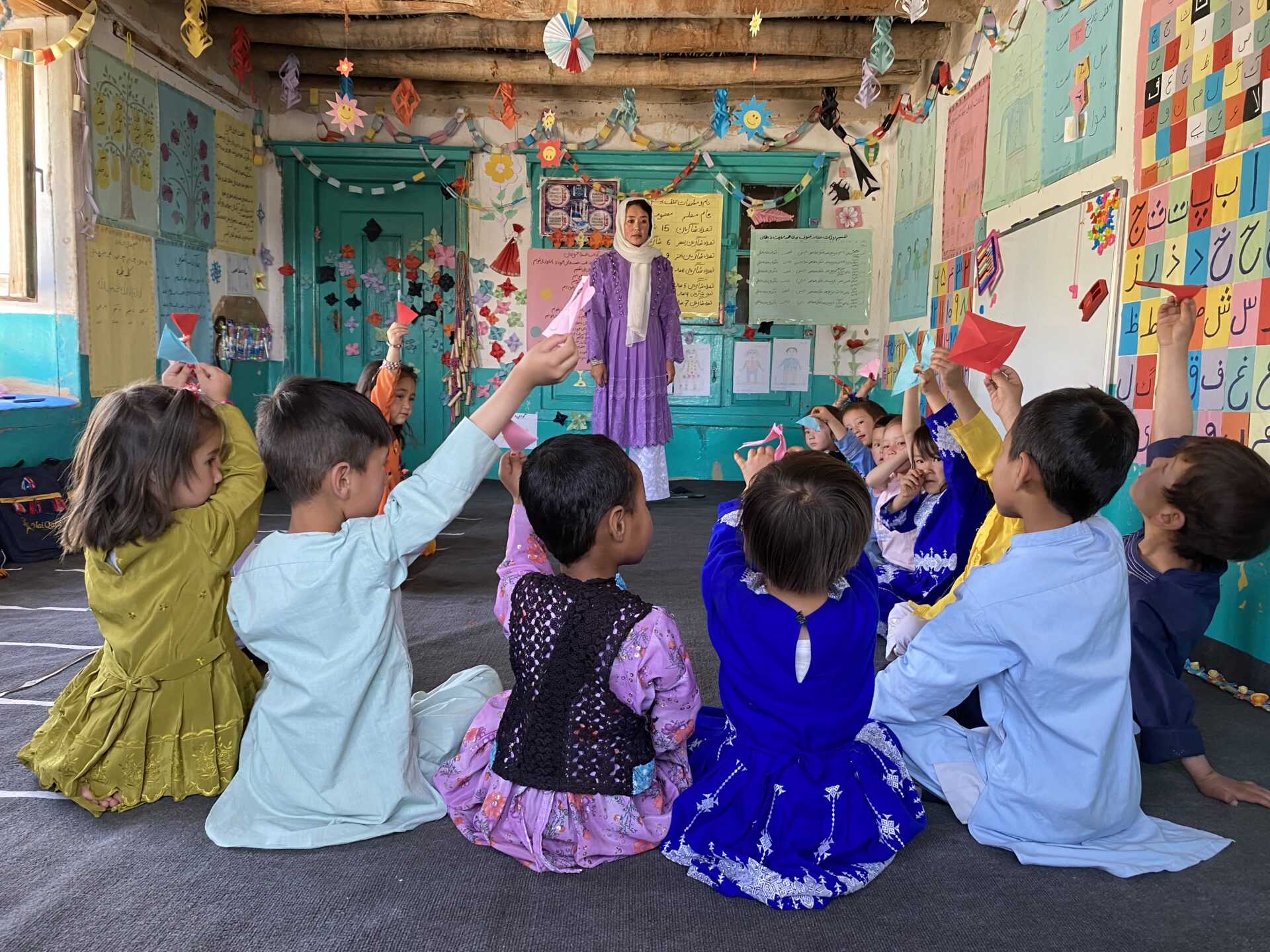
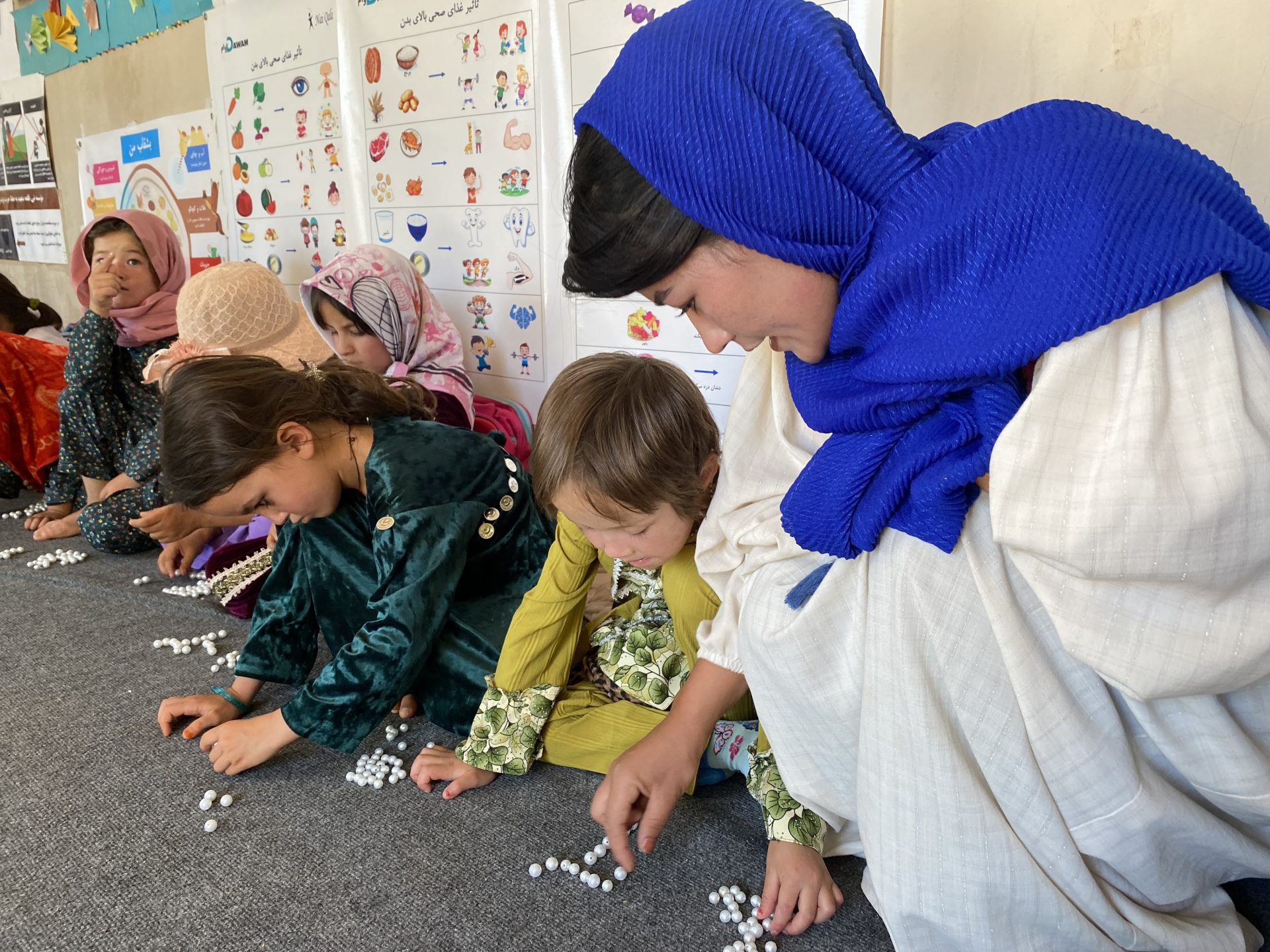
Today, we support community-based classes across Central Afghanistan. These classes provide safe and inclusive learning opportunities for children aged 4–12, helping them develop literacy, numeracy, and life skills while also promoting health, hygiene, and nutrition.
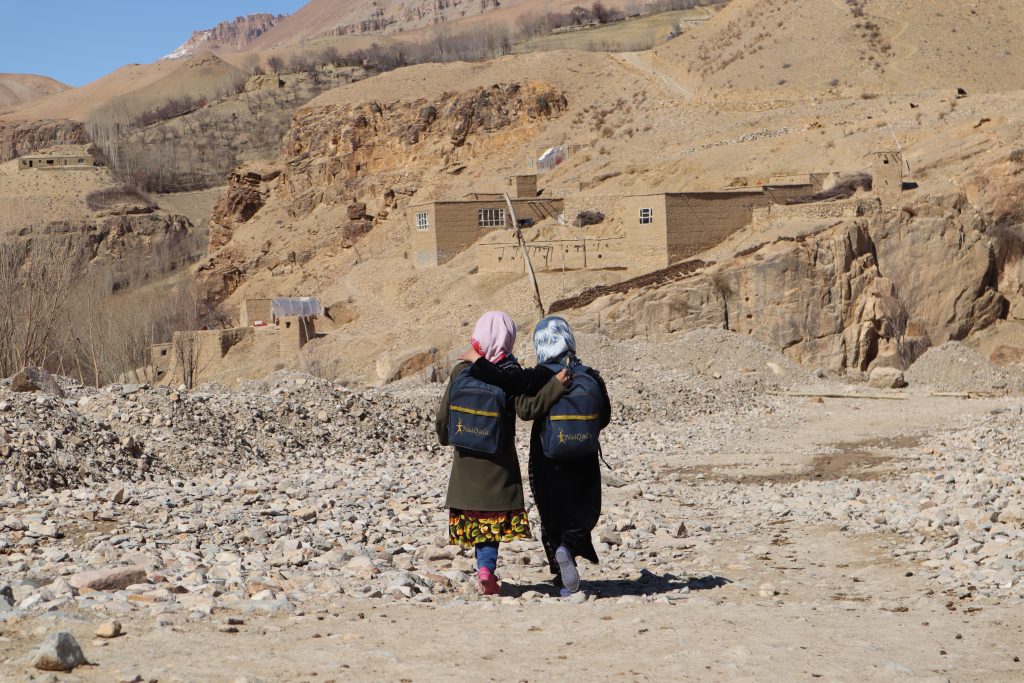
For many children, particularly girls, these classes offer their only opportunity to learn close to home, removing the need for long and often unsafe journeys.
Our model is simple but effective. Communities provide a classroom space, while Nai Qala equips the classroom and recruits, trains, and mentors local teachers.
Teacher Training
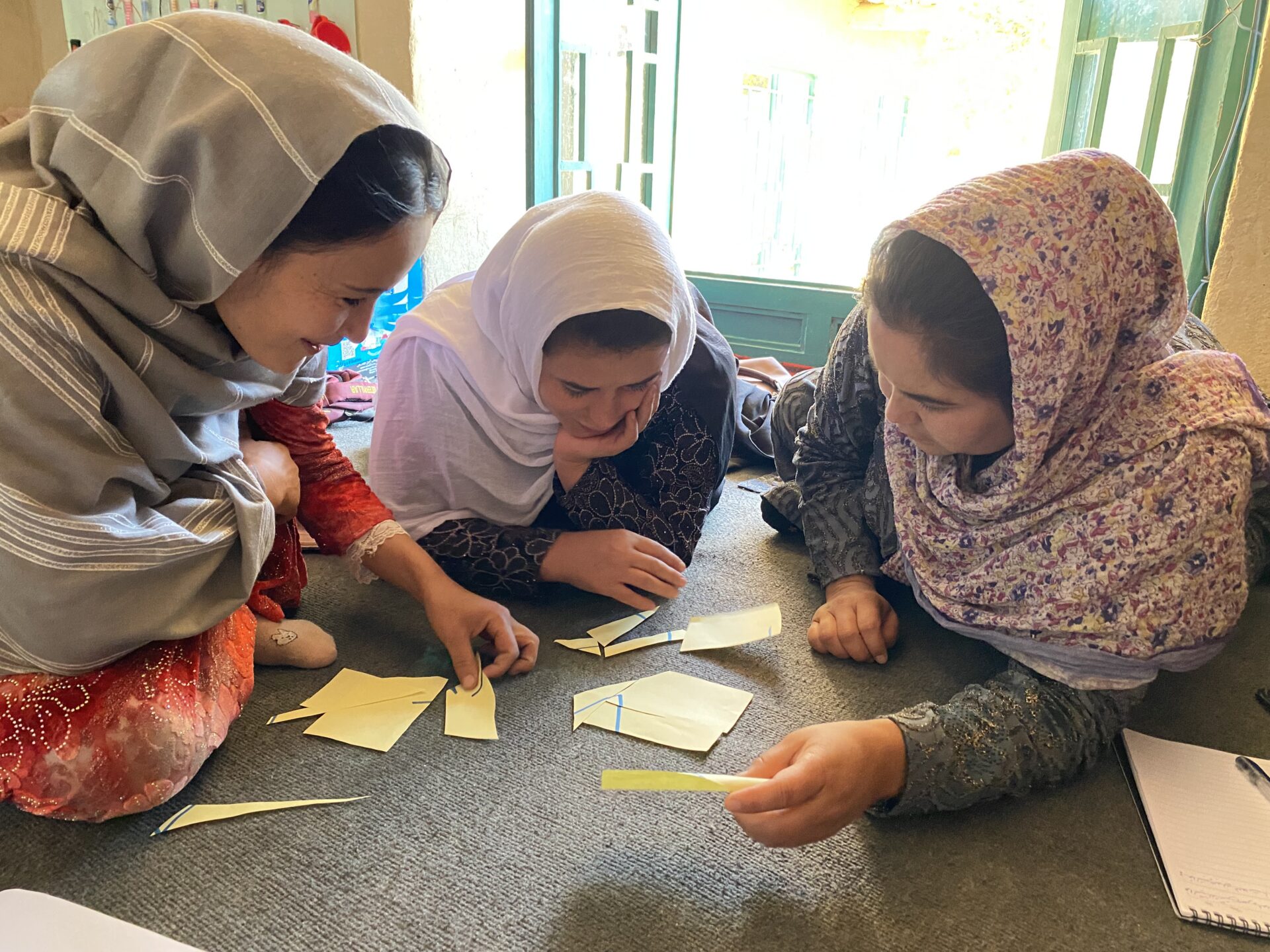
Nai Qala provides regular training and mentoring for dozens of teachers (over 95% women).
Alongside teaching skills, teachers receive training in child development, child rights, health, hygiene, nutrition, special educational needs, and violence prevention. This support helps create safer, more effective, and more inclusive learning environments for children.
I’m proud to have been one of the first teachers in Nai Qala’s community-based classes programme. Seeing how it has grown and transformed the lives of children and families has been one of the greatest rewards of my work.
Progress in the Field
Our education programmes are helping children develop not only academic skills, but also confidence, cooperation, and respect for others. Parents report positive changes in their daughters, including greater self-confidence and stronger aspirations for the future.
Where early marriage and child labour remain risks, access to quality education offers hope, opportunity and the chance to build a brighter future.
Child Protection
Since 2023, Nai Qala has implemented child protection programmes to promote safer learning environments and reduce violence against children. We provide training for teachers, and preschool educators, focusing on:
- Challenging harmful attitudes towards violence
- Promoting positive, non-violent discipline methods
- Supporting children with specific needs
- Encouraging equal treatment of all children regardless of gender or background
Commitment to Long-Term Sustainability
A defining feature of Nai Qala’s approach to education and health is its commitment to long-term sustainability.
Sustainability is built through community ownership and local capacity, with trained teachers, community-based classes, and local trainers providing the knowledge, skills, and leadership needed to continue learning and drive positive change long after Nai Qala’s direct support has ended.
This long-term approach also extends to the schools themselves. Once completed, each school is handed over to the local community, with the government assuming responsibility for teachers’ salaries, educational materials, and ongoing maintenance. This ensures that the benefits of donor investment continue for generations to come.
Health
Cultivating Healthy Communities
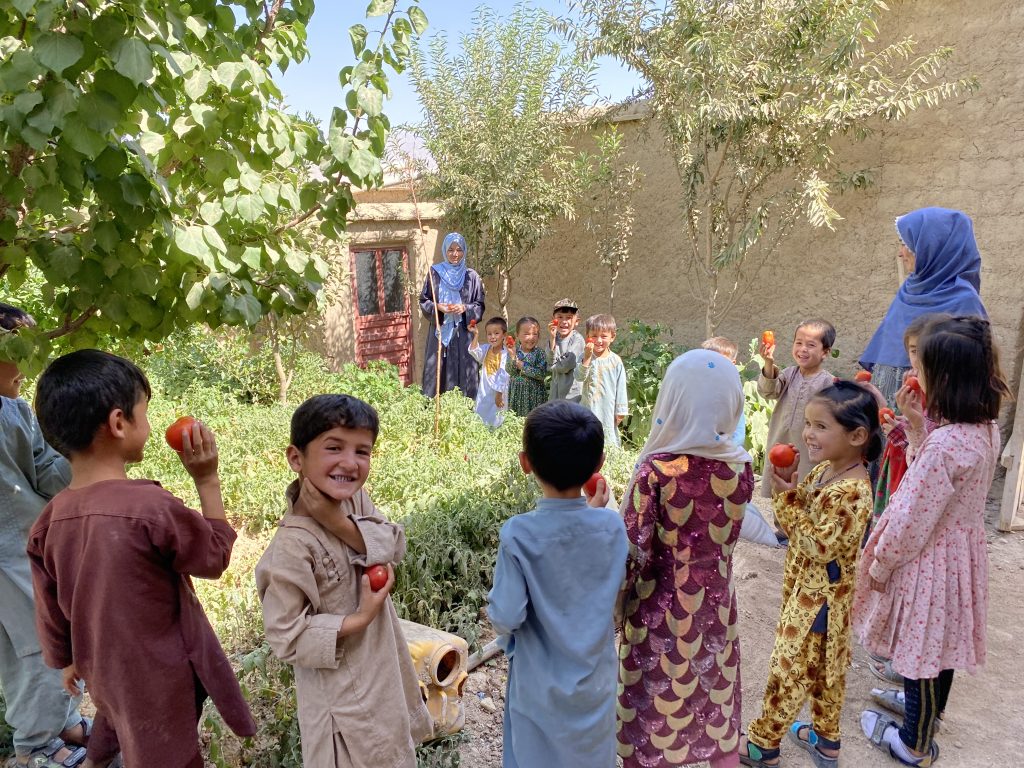
Nai Qala promotes healthier communities through nutrition education, hygiene awareness, and community-led health initiatives. Its hygiene promotion activities address a wide range of topics, including proper handwashing, safe water management, infection prevention, food safety and a balanced diet and menstrual hygiene.
Children for instance learn the importance of hygiene before eating and how nutritious food helps their bodies grow. Families, particularly mothers, learn how to prepare balanced meals using locally available foods, safe food preparation and storage, and make informed decisions about nutrition and wellbeing.
Engaging Men in Social Change
In Afghanistan, social norms often exclude men from conversations about women’s health, yet lasting progress depends on their active involvement.
At Nai Qala, we work with fathers, brothers, and community leaders to build understanding of maternal health, hygiene, and nutrition, equipping them with the knowledge to better support their wives, daughters, and sisters. Men are also encouraged to champion girls’ education and become advocates for positive change within their communities.
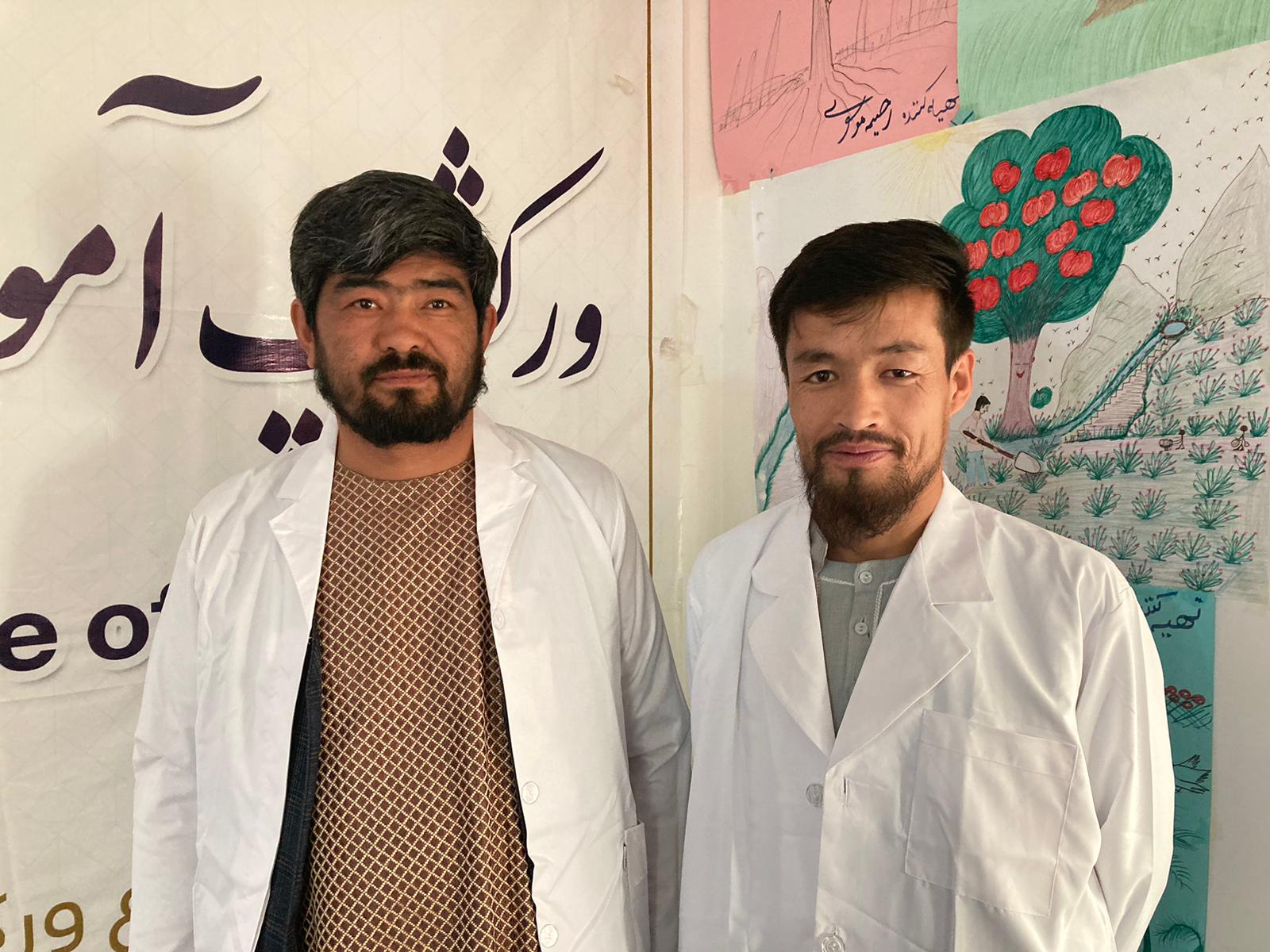
Haidari’s Story Growing up, Haidari rarely heard discussions about women’s health.
Partnerships for Health and Hygiene
Partnerships play a vital role in extending Nai Qala’s reach and impact across rural Afghanistan.
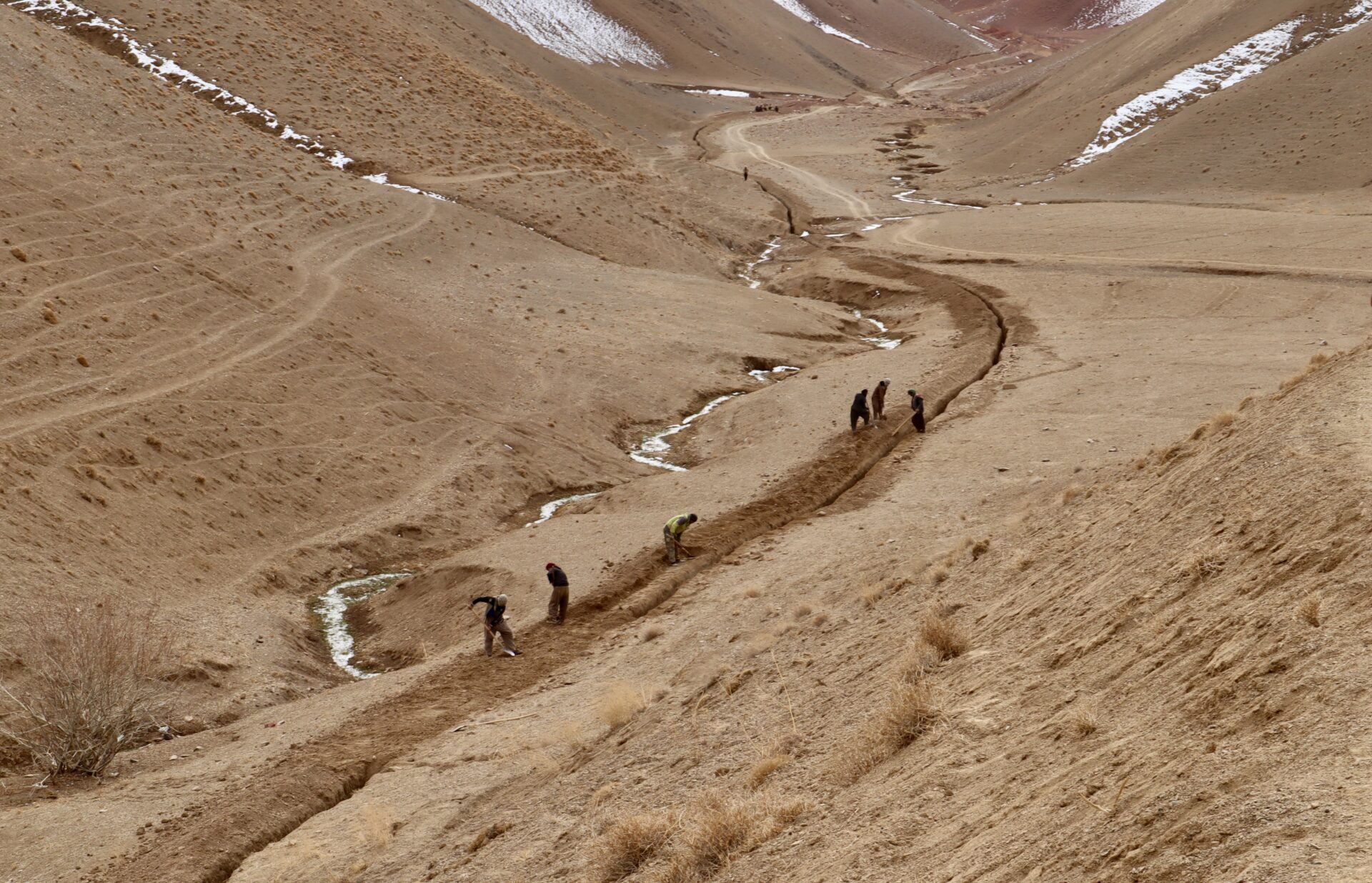
DAWAM Consortium In 2023, Nai Qala joined the UK FCDO-funded DAWAM consortium, led by World Vision and implemented in partnership with Action Against Hunger.
In 2023, Nai Qala joined the UK Foreign, Commonwealth & Development Office (FCDO)-funded DAWAM consortium, led by World Vision and implemented in partnership with Action Against Hunger. DAWAM stands for Driving Action for Wellbeing to Avert Mortality. Over the past two years, more than 10,000 families have benefited from over 200 hygiene workshops and the distribution of 10,000 hygiene kits. By combining awareness with practical support, these initiatives have helped families adopt healthier behaviours and improve their overall wellbeing.
Today, the consortium continues to improve access to water, sanitation, hygiene (WASH) and nutrition services in remote communities. Recently, three gravity-fed water systems serving more than 300 households have been constructed, alongside 100 household latrines and repairs to the water supply system at three health centres. These investments improve access to safe water while enhancing dignity, privacy, and safety, particularly for women and girls. Nai Qala works with women in the community to implement DAWAM’s community-based health programmes to strengthen local leadership and create women as role models who inspire lasting social change.
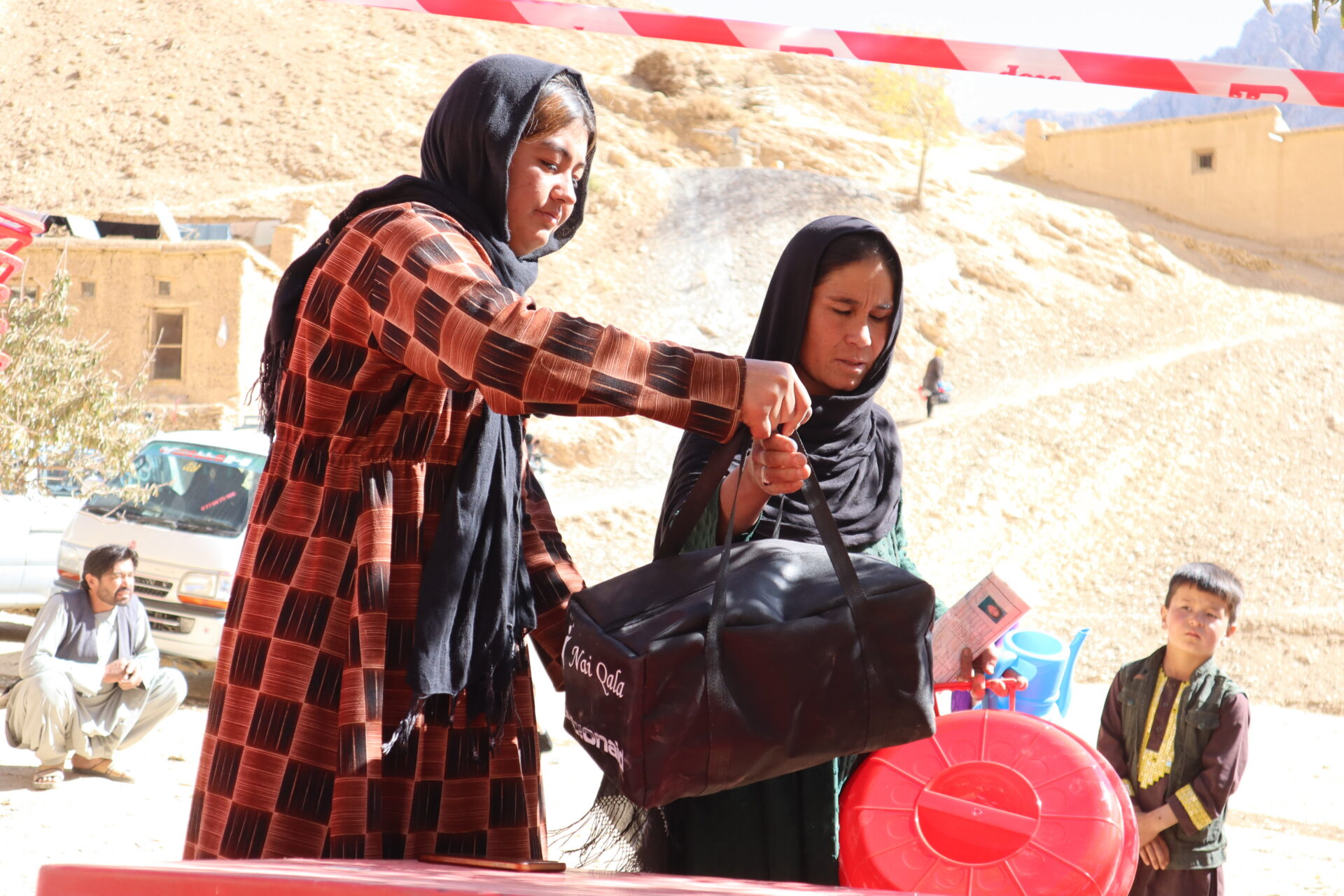
ActionAid Afghanistan Partnership In partnership with ActionAid Afghanistan, Nai Qala recently delivered WASH education and support to more than 2,000 individuals.
Commitment to Long-Term Sustainability
A defining feature of Nai Qala’s approach to education and health is its commitment to long-term sustainability.
Sustainability is built through community ownership and local capacity, with trained teachers, community-based classes, and local trainers providing the knowledge, skills, and leadership needed to continue learning and drive positive change long after Nai Qala’s direct support has ended.
This long-term approach also extends to the schools themselves. Once completed, each school is handed over to the local community, with the government assuming responsibility for teachers’ salaries, educational materials, and ongoing maintenance. This ensures that the benefits of donor investment continue for generations to come.
Continue