How Nai Qala is working with parents and teachers to make children’s surroundings safer.
A child in an NQA community class spends about three hours a day there. The other 21 are spent at home and in the village. Who keeps children safe during those hours?
Teachers are responsible for providing a safe place to learn and looking after children in class. Parents and the wider community have the central role in children’s safety, care and development outside school hours. The two roles are different but closely linked. Child protection can’t rest on teachers alone, and it can’t be achieved through awareness sessions delivered by an outside organisation.
From listening to action
For years, NQA teachers have held awareness sessions with parents on child protection and children’s rights. They introduced the ideas and got people thinking about the risks children face. But awareness alone does not always lead to change. Parents may attend, listen carefully and understand the message, yet not feel able to act. Some assume that protecting children is mainly the job of teachers or of organisations like NQA.
So we have changed the conversation. Instead of only telling parents what they should know, we now ask what they can do. Teachers and parents have drawn up practical action plans to deal with the risks around them.
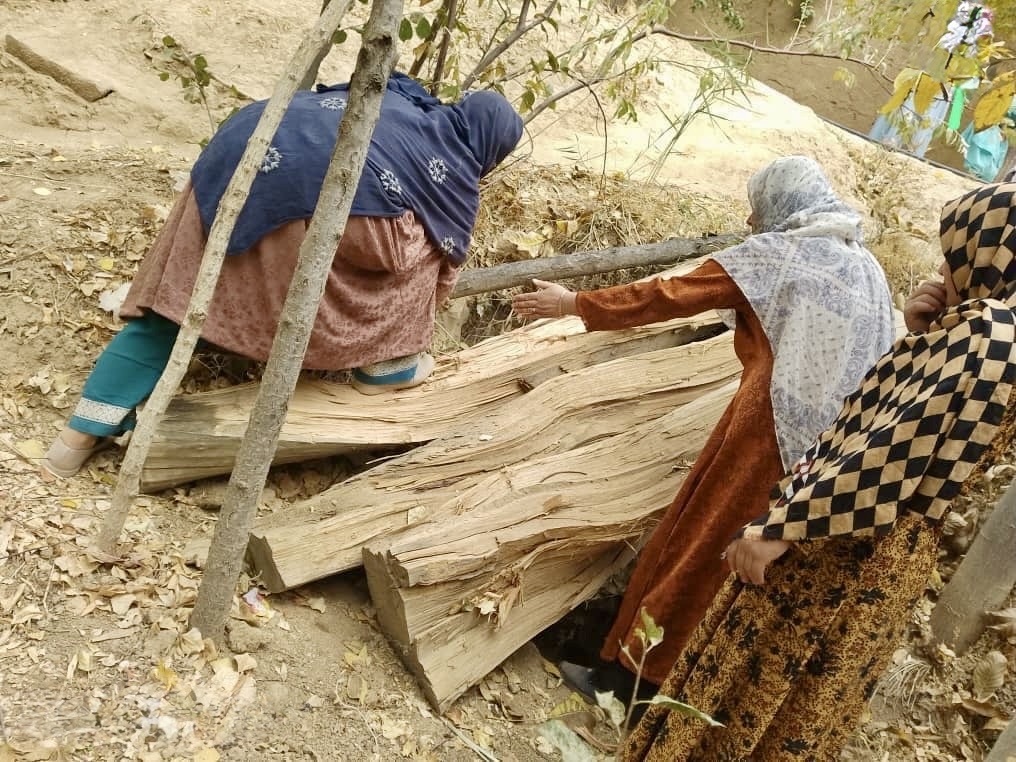
The measures are modest but meaningful: a simple wooden bridge across a river, a dangerous hole covered over where children play, or a walking bus, with parents taking turns to accompany a group of children on their way to class. These actions make a real difference to children’s safety and show that communities can take responsibility for their children’s well-being, even with very little money.
Teachers as catalysts for change
NQA teachers have an important role beyond the classroom. As trusted members of their communities, they can encourage parents to discuss child protection, help identify risks and bring people together to find solutions.
In remote villages, where opportunities to meet and exchange can be limited, teachers are often well placed to start these conversations. By supporting them in this role, NQA helps make child protection part of everyday community life, rather than something addressed only during awareness sessions.
A commitment we share
Changing habits and attitudes takes time. We are encouraged, though, by how willing teachers and parents are becoming to talk about practical steps and look for ways to improve children’s lives. In our experience, child protection gets stronger when families feel supported rather than judged, and when communities realise they already have what it takes to make a difference.
Every child deserves to be safe, respected and given the chance to learn. No single organisation, teacher or parent can make that happen alone. We have to share it.